
I went off script with this one
One dough, three different bakes, a new mixer, and a few things worth knowing before you make this one yourself.
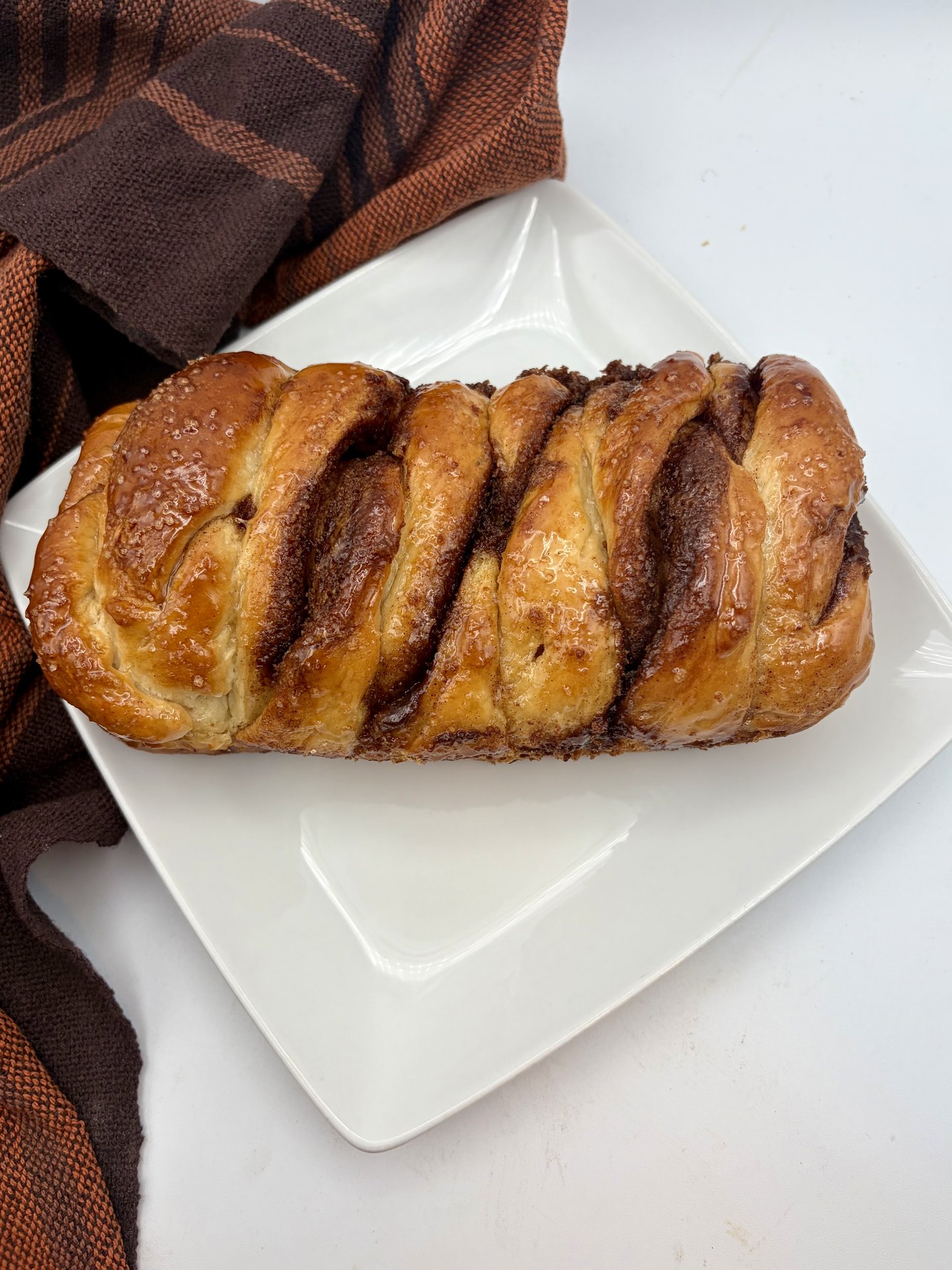
This week's bake started with a plan.
And then it took a little turn.
The recipe was sound. The dough worked. The filling worked. The bake worked. But once I got into it, I knew I needed to shape and distribute the bread differently than the original called for. So I tested what needed testing, then I let the dough serve the day.
That's real baking. Not following directions like a robot. Understanding what the dough is doing well enough to make a good decision when you need to.
| Batches of dough mixed | 1 |
| Fillings mixed | 1 |
| Recipes I had to go learn | 0 |
| Accordion pull-apart loaves | 1 |
| Pans of individual rolls | 1 |
| Braided loaves | 1 |
| Different breads on the counter | 3 |
Three breads out of one recipe. What changed was the shaping, not the formula.
That's worth sitting with for a second. Most of us go looking for a new recipe when we want a different bread. Sometimes you don't need one. You need the same dough pointed in a different direction.
The bake this week
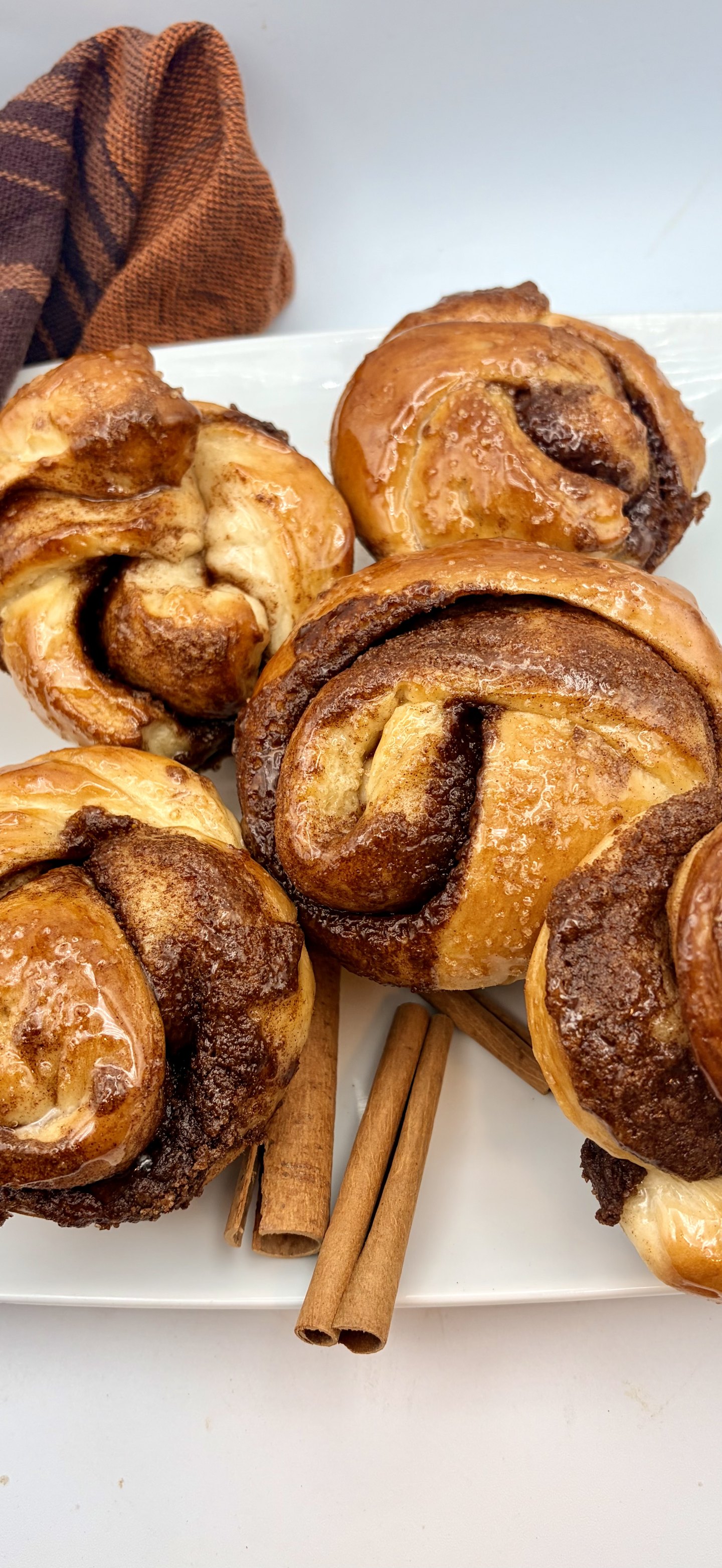
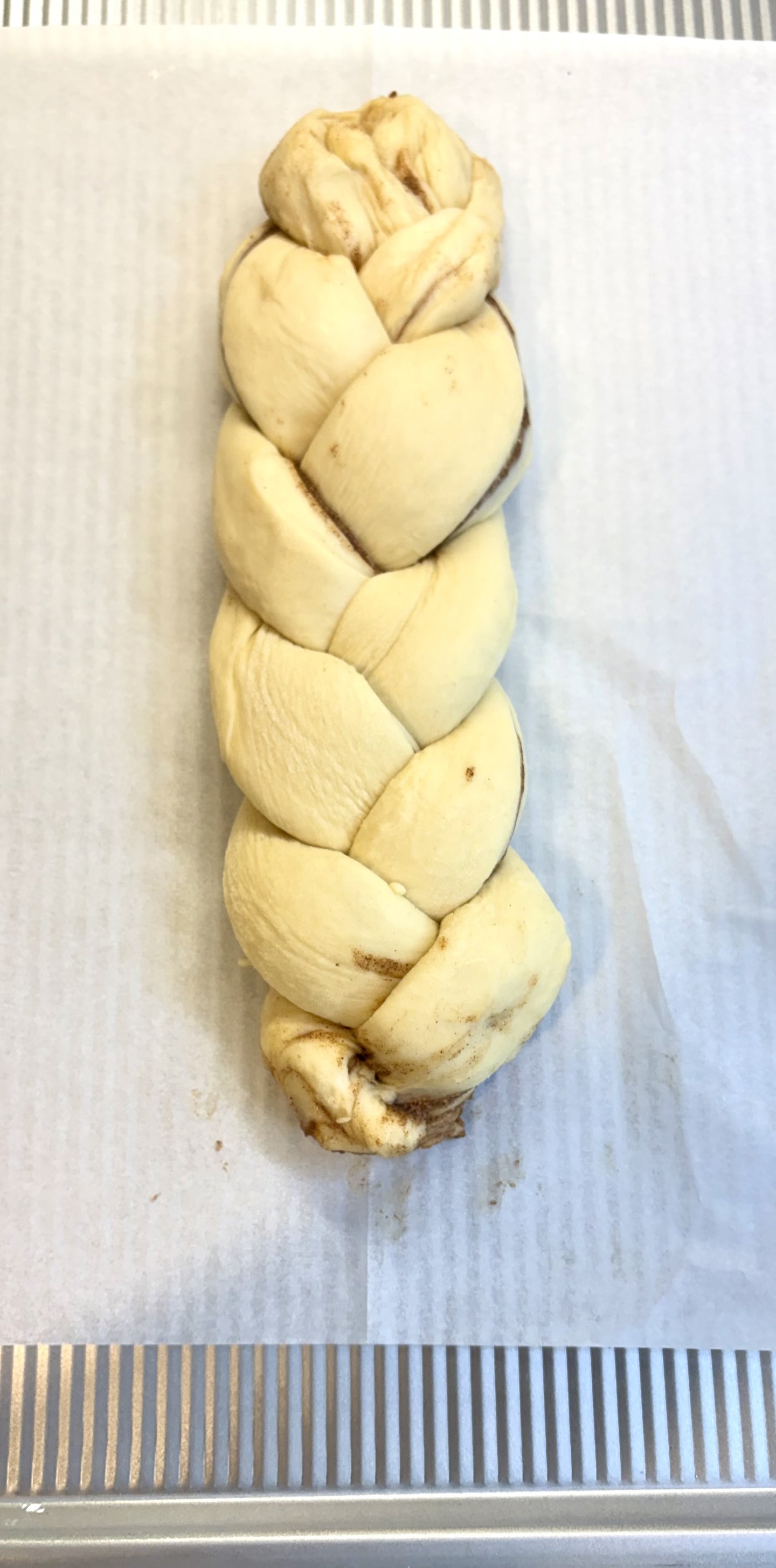
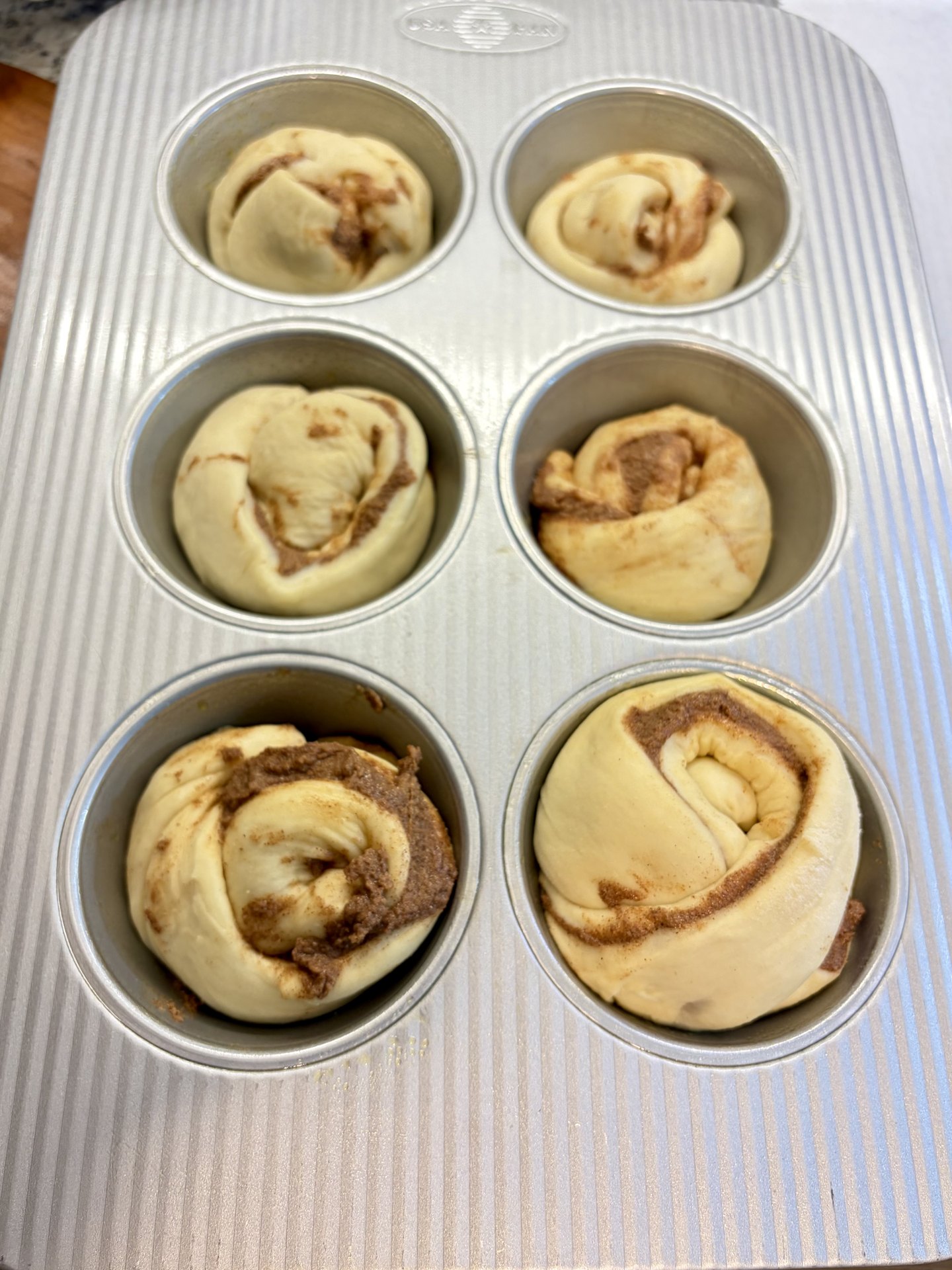
I started with the Accordion Pull-Apart Loaf dough and the cinnamon brown sugar filling. Then I made it three ways. An accordion loaf, individual rolls, and a braid.
Same dough. Same filling. Different end use.
And that right there tells you something useful. This dough has range.
First, let's talk about the filling
If you make nothing else from this note, get this part right.
Use a big bowl and a rubber spatula. Softened butter, brown sugar, cinnamon, flour, and salt all go in, and then you go to work on it. Press the butter into the sugar. Scrape the bowl. Fold it over. Keep working it. Then stir it.
You want that filling to feel like soft clay.
Not loose. Not runny. Not spreadable like frosting. It should be thick enough to hold its shape when you drag the spatula through it.
That matters because once it goes in the oven, some of that butter and sugar is going to melt and move. That's normal. We're not stopping it completely. We're managing it.
The flour is in there for a reason. It keeps the filling stable instead of turning into straight syrup. If you're further along and you want a little extra binding power, you can swap about a teaspoon of the flour for cornstarch. About a teaspoon. Don't overdo it.
About the dough and the mixer
This was my first real bake in the new Bosch Universal Mixer, and I made a double batch right out of the gate. That's about on brand for me.
The Bosch is impressive. I'm not ready to give you my full opinion yet because I want more time with it, but there's more to come on that front.
During the mix I added a couple tablespoons of extra flour to get things where I wanted them. Do not take that as a permanent change to the recipe. That happened in a new mixer, on a double batch, on a first run. Too many variables.
Here's the part that trips people up. Enriched dough feels slack and sticky for longer than you expect. Milk, egg, butter, and sugar all change how the dough feels while the gluten is still developing. So before you start throwing flour at it, give the dough time to come together.
And even with the mixer, I still finished this dough on the counter. I like to feel that last bit with my hands. Machines are helpful. Hands still matter.
Proofing notes
This is an enriched yeasted dough, which means the yeast has work to do. Between the milk, butter, sugar, and egg, it is not going to move like a lean French bread dough. Mine took about an hour, and that feels right for this style.
Maybe a little more in your kitchen. Maybe a little less. Watch the dough, not the clock.
Once it has risen and feels lighter, degas it thoroughly before you shape. For this kind of dough I'm not trying to protect every bubble from the first rise. I want the yeast redistributed, the gas knocked out, and the dough reset for a good second rise.
Different doughs need different handling. For this one, don't be shy.
If you're making a double batch, use the refrigerator
This helped me more than anything else that day.
Once I divided the dough, I covered half and put it in the refrigerator while I worked with the first half. That's a smart move any time you're shaping multiple breads out of one batch. It slows things down enough that the second half doesn't get away from you while you're filling, rolling, shaping, cleaning up, and probably taking pictures too.
Same thing later in the process. If one loaf is close to ready and your oven is still occupied, a short refrigerator hold keeps you in control.
I think of that as a holding move, not part of the proof. It just buys you breathing room.
I didn't follow the original shaping
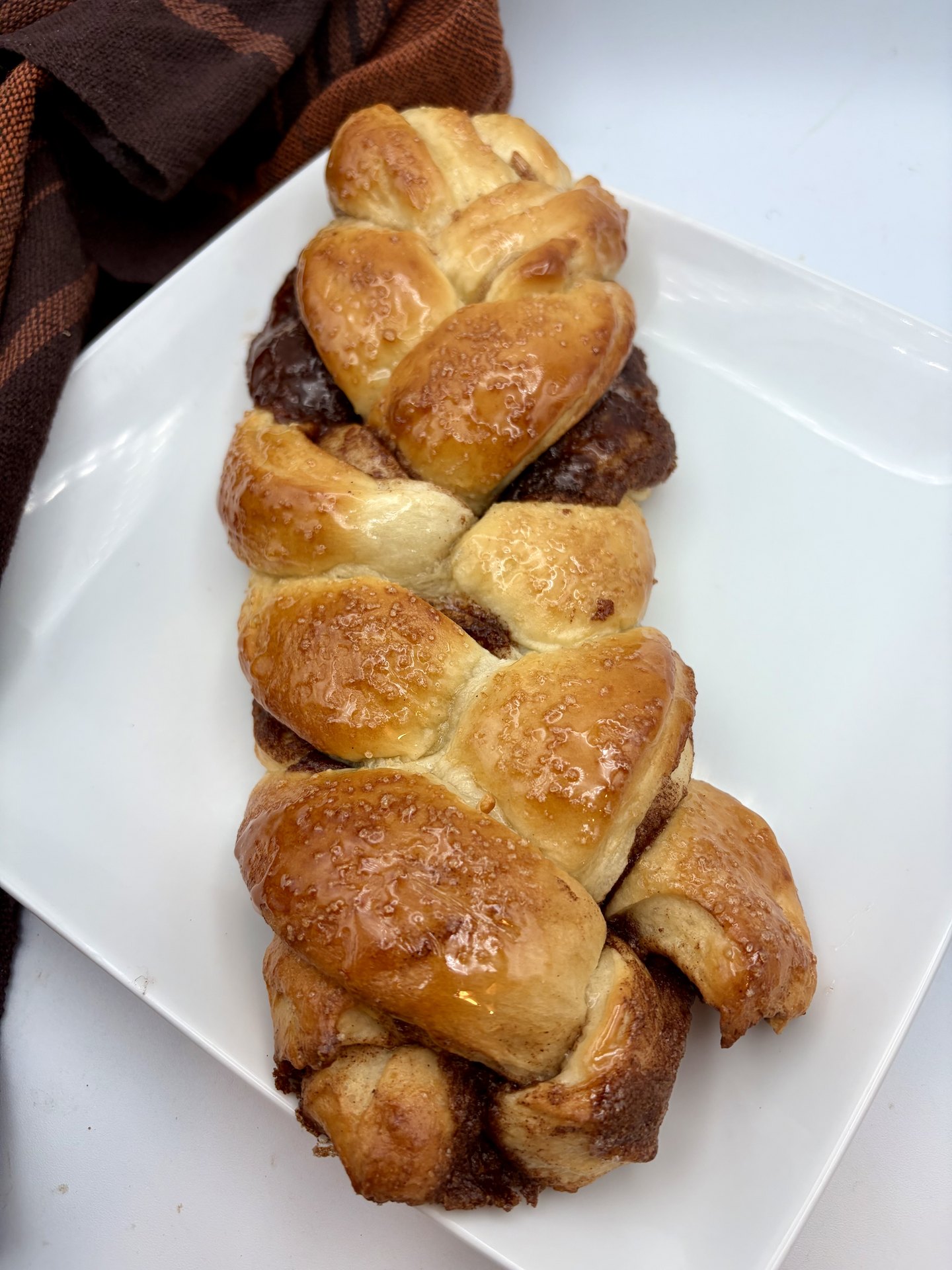
The published recipe gives a more defined shaping path for the accordion loaf, and it's a good one. But I needed different forms for this bake, so I changed course. Same dough, same filling, shaped part of it as rolls and part as a braid.
That isn't me telling you to ignore the recipe. That's me telling you to learn the recipe first. Once you understand what it's doing, you can make better decisions about how to adapt it.
That's the difference between following a recipe and actually baking.
A couple of finishing touches
After the egg wash, I sprinkled a little turbinado sugar over the top. Sparkle, a little crunch, a prettier loaf.
Then, while the bread was still warm, I brushed the surface lightly with a little Karo syrup thinned with a few drops of warm water. Just a whisper. That's the bakery showroom shine. Not sticky, not goopy, just glossy.
Bread's allowed to be pretty.
Get it out of the pan
One thing I really want you to remember.
Don't cool this bread all the way in the pan. Give it 5 to 10 minutes, then get it out.
Some of that melted cinnamon sugar is going to settle. If it sits too long it starts acting like glue, and this is not a bread you want to wrestle out of a pan once it decides to stay. Warm loaf, short rest, out it comes.
What I'd tell you before you bake it
Six things carry this bake:
| # | The move | Why it matters |
|---|---|---|
| 1 | Work the filling to soft clay | A loose filling turns to syrup and runs out of the bread. |
| 2 | Don't panic when the dough feels slack | Enriched dough is soft longer. The gluten catches up. |
| 3 | Give it about an hour, and watch it | Fat and sugar slow the yeast down. Rushing costs you rise. |
| 4 | Degas thoroughly before shaping | You want the yeast redistributed for the second rise. |
| 5 | Use the refrigerator on a double batch | It buys you time so the second half doesn't overproof. |
| 6 | Out of the pan in 5 to 10 minutes | Settled cinnamon sugar becomes glue if you let it. |
And maybe the most important one of all. Once you understand the dough, don't be afraid to work with it. That's where the fun starts.
From the bench
What I like about a bake like this is that it reminds people there's more than one way to end up with good bread.
A recipe gives you the path. Experience helps you decide when it's okay to step off it.
This one gave me a loaf, a pan of rolls, and a braid out of the same bowl. That's a good day in the kitchen.
Make the dough. Watch what it does. Then go make it yours.

Bake it yourself
Both versions are in the Pantry, weighed in grams, with the original accordion shaping written out step by step. Learn it the way it's written first. Then go off script on purpose.
The one sheets are built to print. Put one on the counter, get flour on it, and leave your phone alone while you work.
Every recipe in the Pantry comes in both versions, yeasted and sourdough, cross-linked so you can bake whichever one your week allows. Weighed in grams, tested by thousands of people who tell me when something is off. No ads, no pop-ups, no scrolling past a life story to reach the flour.
Browse the Recipe Pantry
Perfection is not required. Progress is.Henry ⭐🔥